The data activation layer for AI, apps and analytics.
DataOS seamlessly integrates with what you have, unifying data, context, governance and discoverability through reusable, outcome-driven data products. Powered by the first operating system for data.
.svg)



Teams

Teams

Agents
Latest White Papers
and Ebooks
.avif)
Frequently Asked
Questions
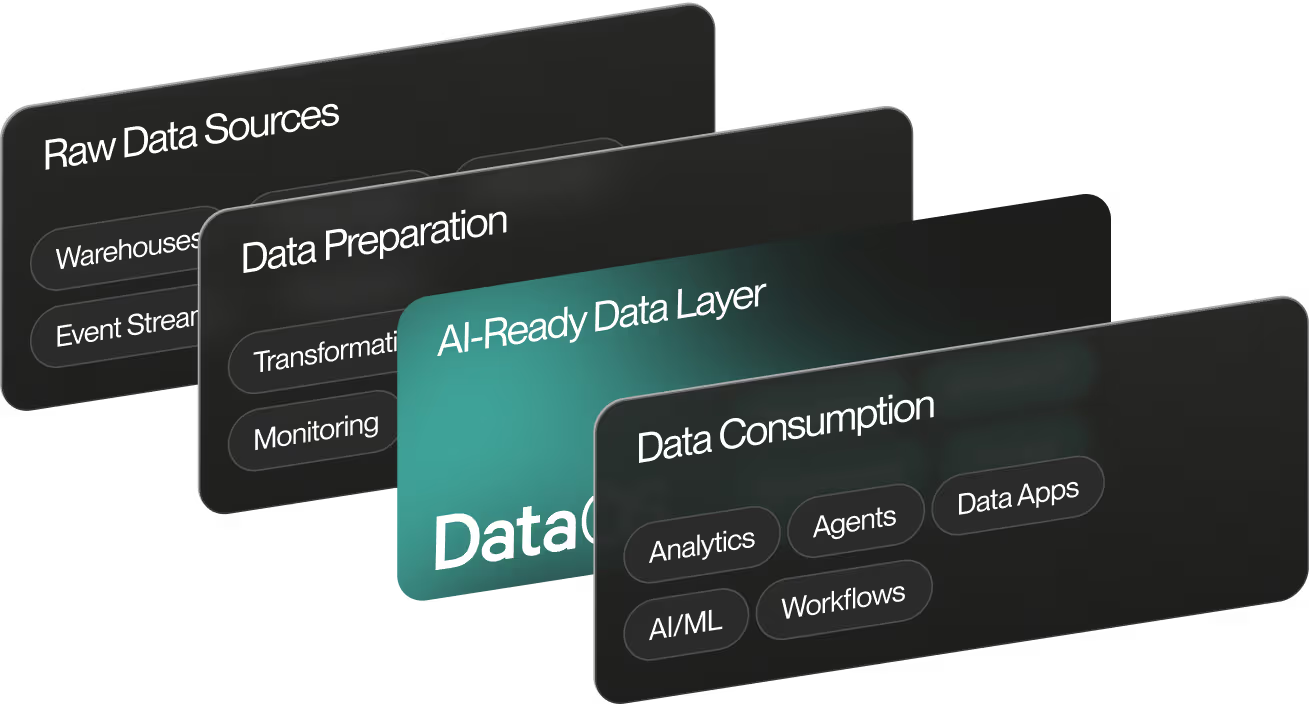
Think of DataOS for data the way you think of an operating system for your computer. Your OS doesn't replace your apps. It gives them a shared foundation: memory, file management, security, a common language. DataOS is that activation layer for your data infrastructure, the foundation that makes everything in your stack work together with shared context, governance, and intelligence.
DataOS isa data management platform from The Modern Data Company. It layers over your existing data stack, working with platforms like Snowflake, Data bricks, and BigQuery, without requiring migration. The core unit of DataOS is the data product: a governed, reusable, and ready-to-use data asset that teams can build, manage, and activate for analytics, AI, and agentic workflows out of the box.
Unlike traditional data management platforms, DataOS doesn't ask you to rip and replace anything. It works with what you have, adding the activation layer your stack is missing.
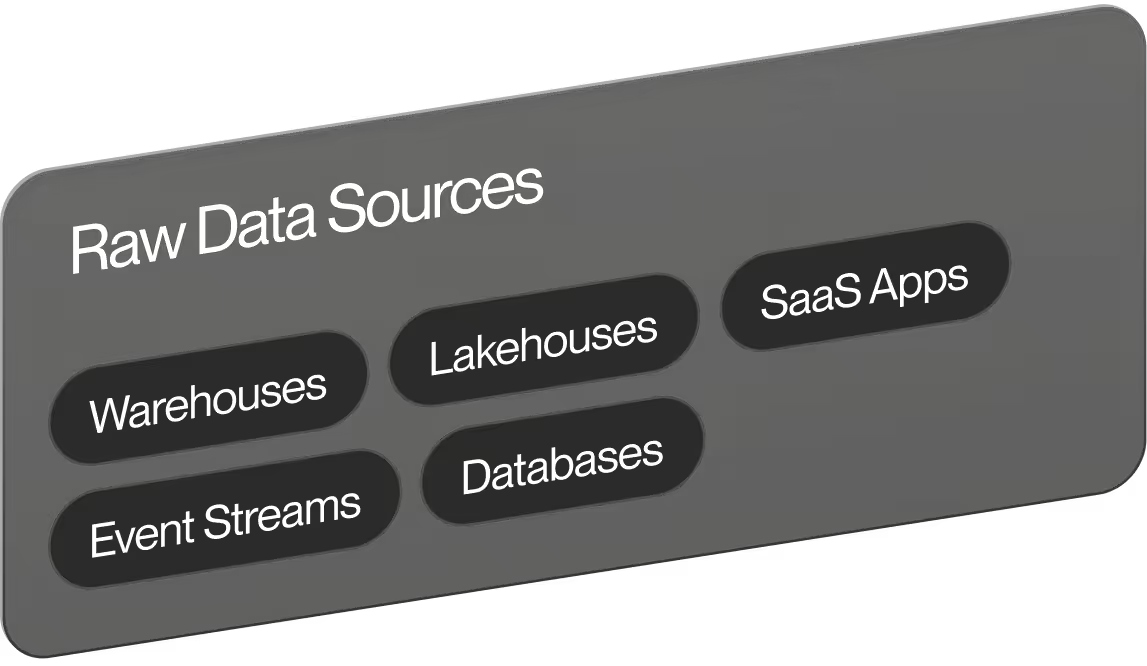
DataOS integrates seamlessly with existing data infrastructure without requiring rip-and-replace. It layers over other platforms like cloud warehouses, lake houses, and data catalogs to add context, governance, and activation capabilities. Organizations can retain their current investments while gaining a unified data product layer.
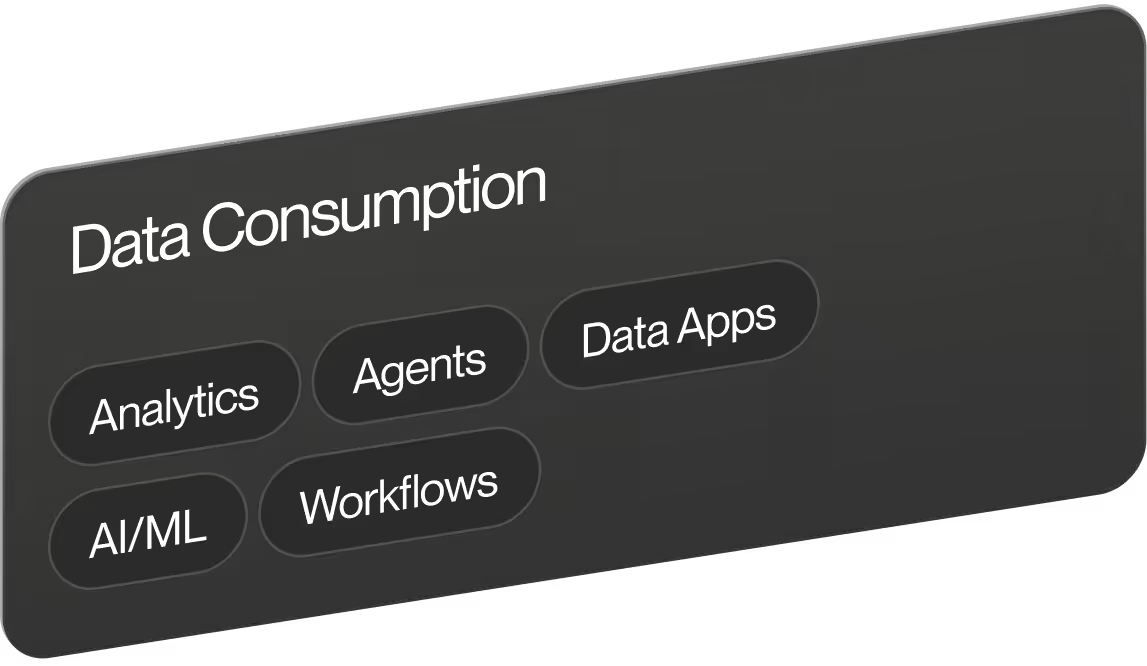
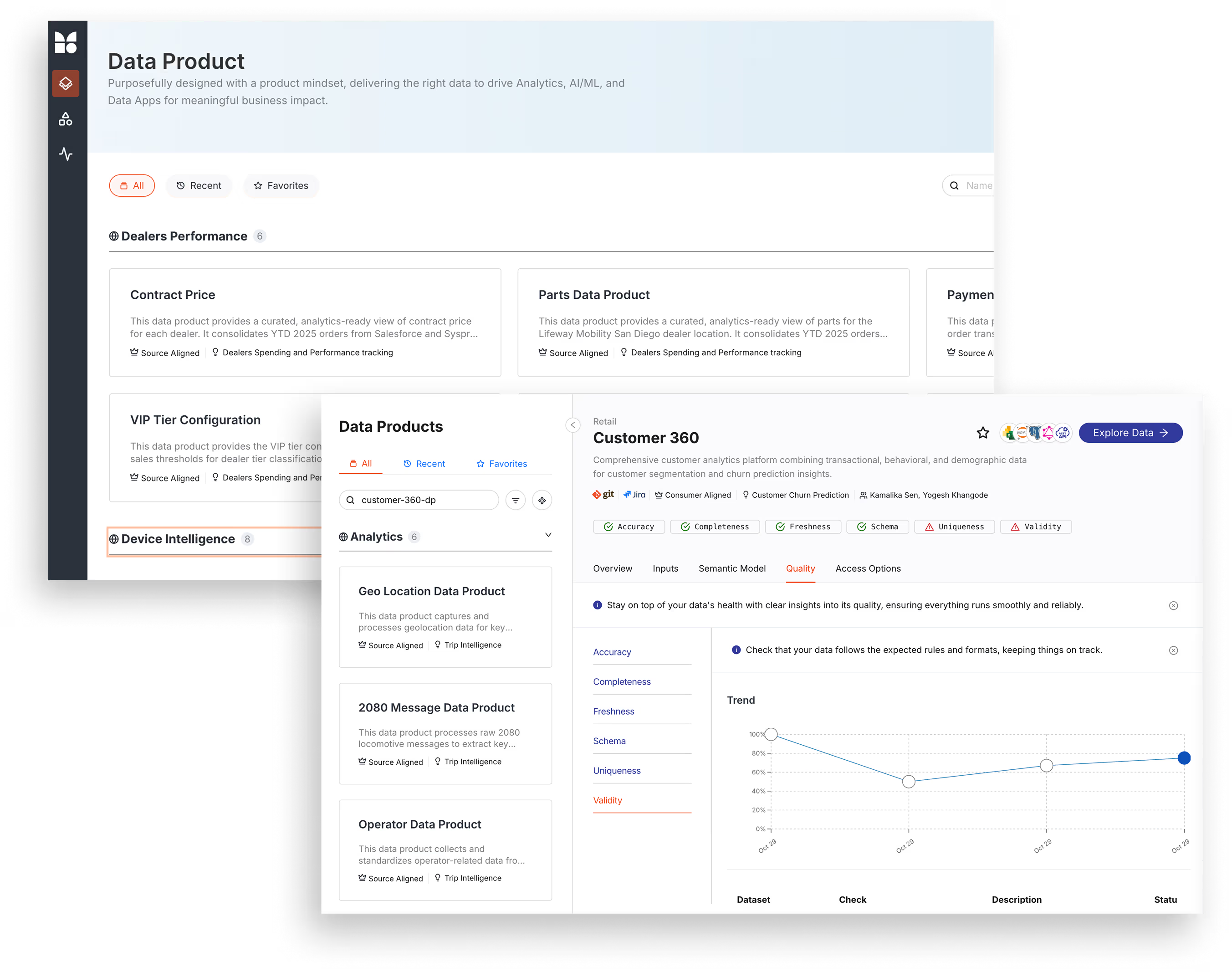
Data products in DataOS are outcome-driven, reusable units of data that are self-contained and versioned. Each data product bundles data, transformation logic, a semantic model, quality contracts, access policies, governance, and consumption APIs into a single platform-managed unit. They are reusable building blocks for analytics, applications, and AI.
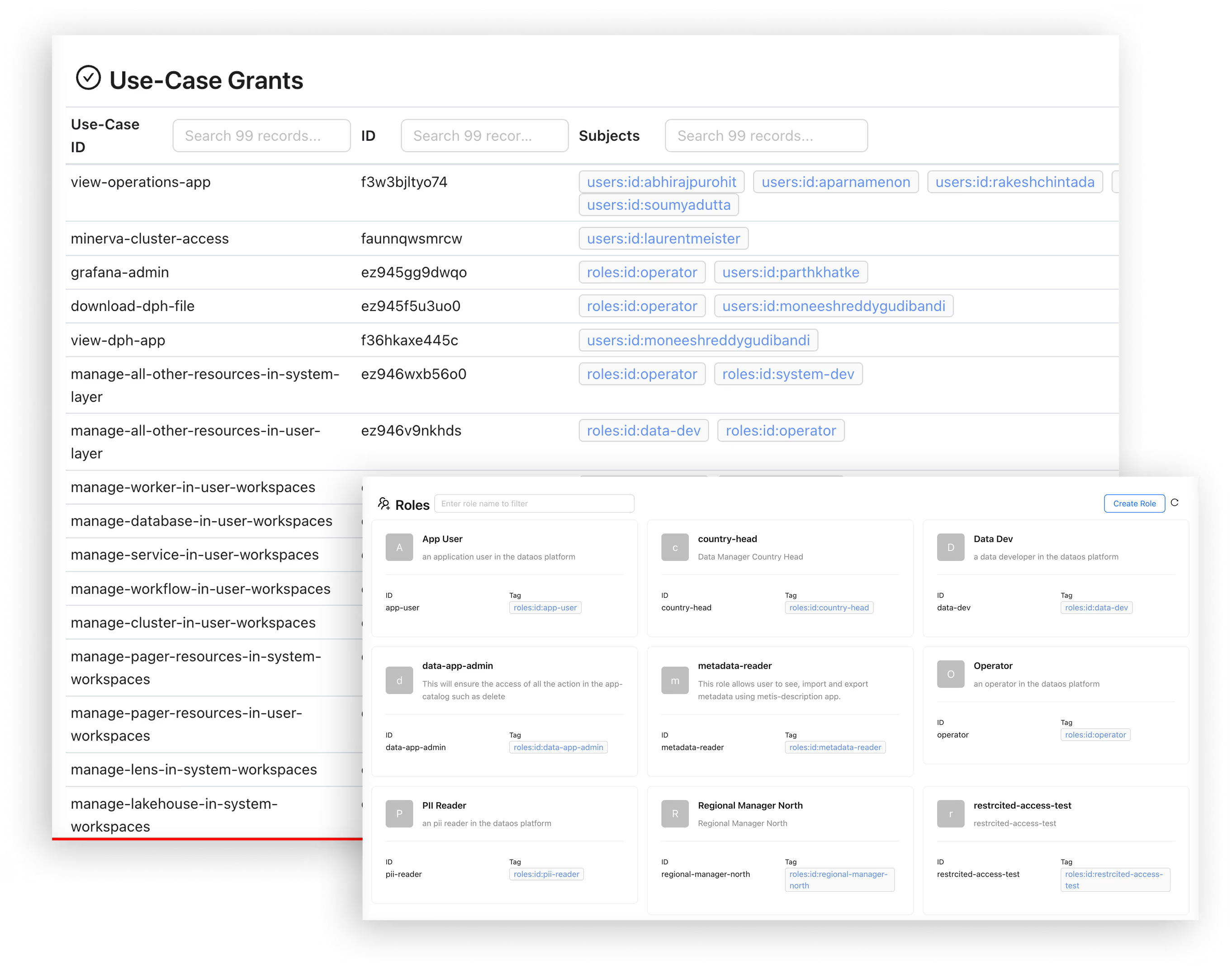
DataOS embeds governance directly into every data product. This includes attribute-based access controls, data contracts, SLO monitoring, and a comprehensive governance framework. Governance is enforced automatically rather than applied manually, which means compliance scales with usage without creating bottlenecks.
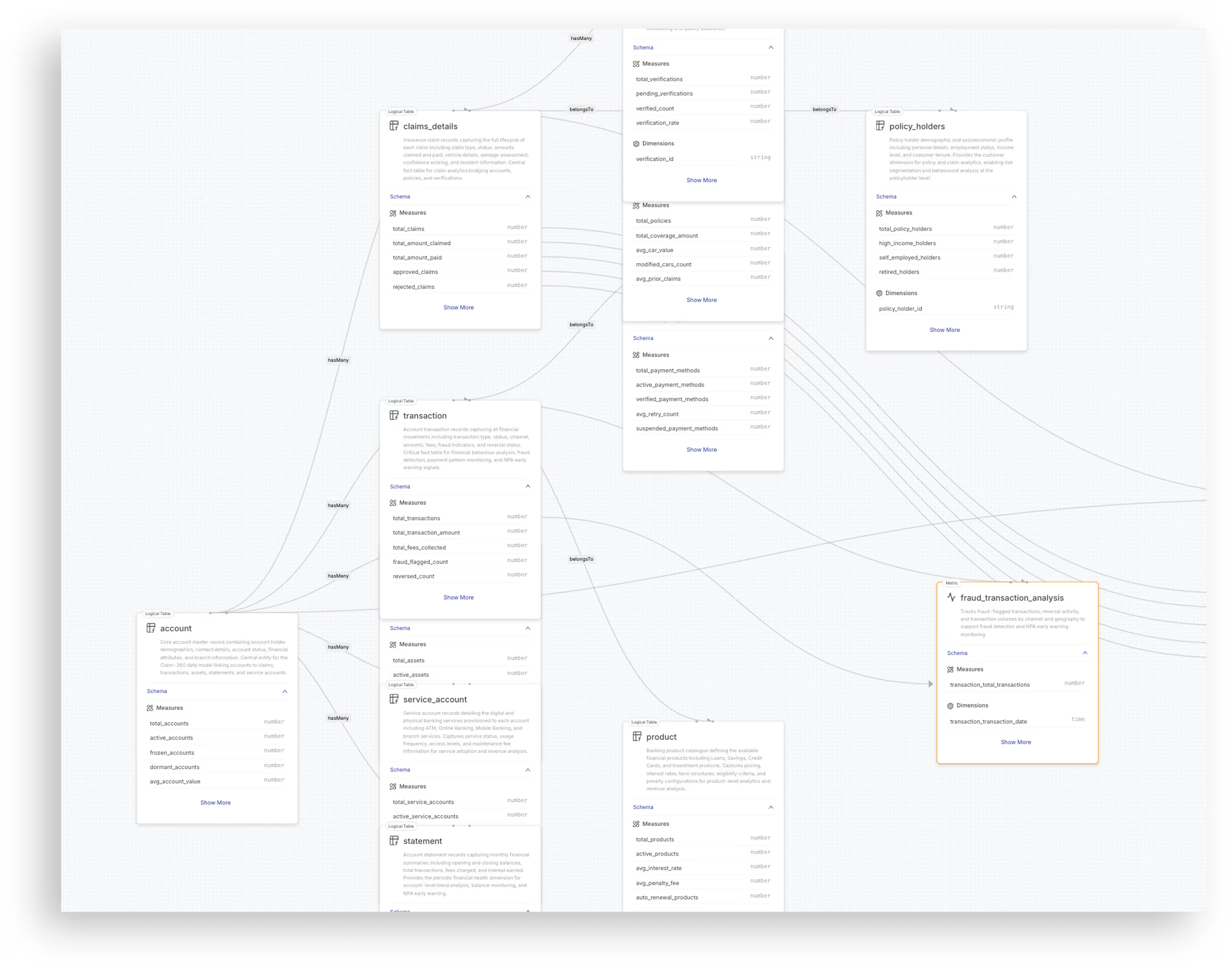
The DataOS unified semantic layer defines a shared business understanding of data across the organization. It uses active metadata management to standardize definitions, metrics, and relationships so that all consumers, whether dashboards, applications, or AI systems, operate on consistent and trusted data.
Traditional data platforms focus on storing and processing data. DataOS focuses on activating it.
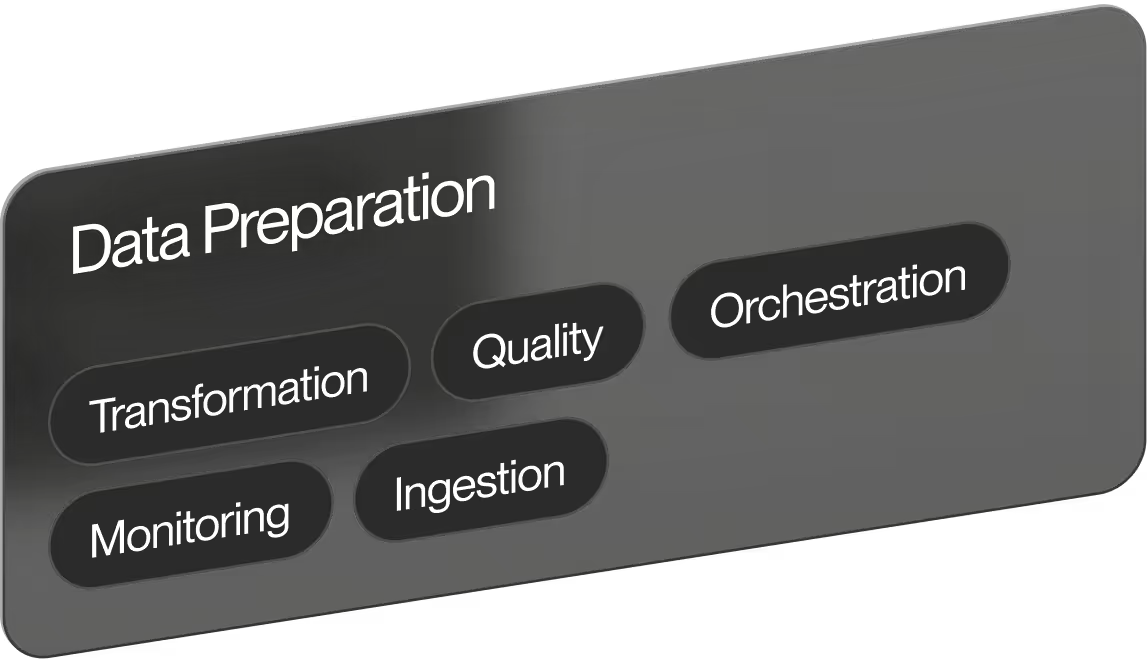
DataOS enables organizations to move from data availability to data usability. By standardizing how data products are built, governed, and exposed, it reduces the time required to take data from raw ingestion to business consumption. This allows teams to deliver analytics, applications, and AI use cases faster, with less duplication and rework.
DataOS is designed to deliver value quickly, within weeks without disrupting existing systems. It integrates with current infrastructure, so there is no need for migration or replacement of core platforms. Proof of Value deployments are production-ready and can begin delivering business outcomes in days to weeks.
Yes. DataOS ensures AI systems and agents use data that is consistently defined, governed, and reliable through data products with built-in semantics and quality controls. These data products are directly accessible via REST, GraphQL, and SQL, and are exposed through MCP (Model Context Protocol), allowing modern AI tools and assistants to discover and interact with them within existing development workflows.
Organizations using DataOS report up to 90% faster time to insight, 70% faster reporting through standardized metrics, and up to 50% savings on total data costs. Data engineering teams spend less time rebuilding pipelines and more time building new capabilities because data products are reusable across use cases.